Introduction to China Destinations
Top Attractions|Best travel time|
1. Beijing
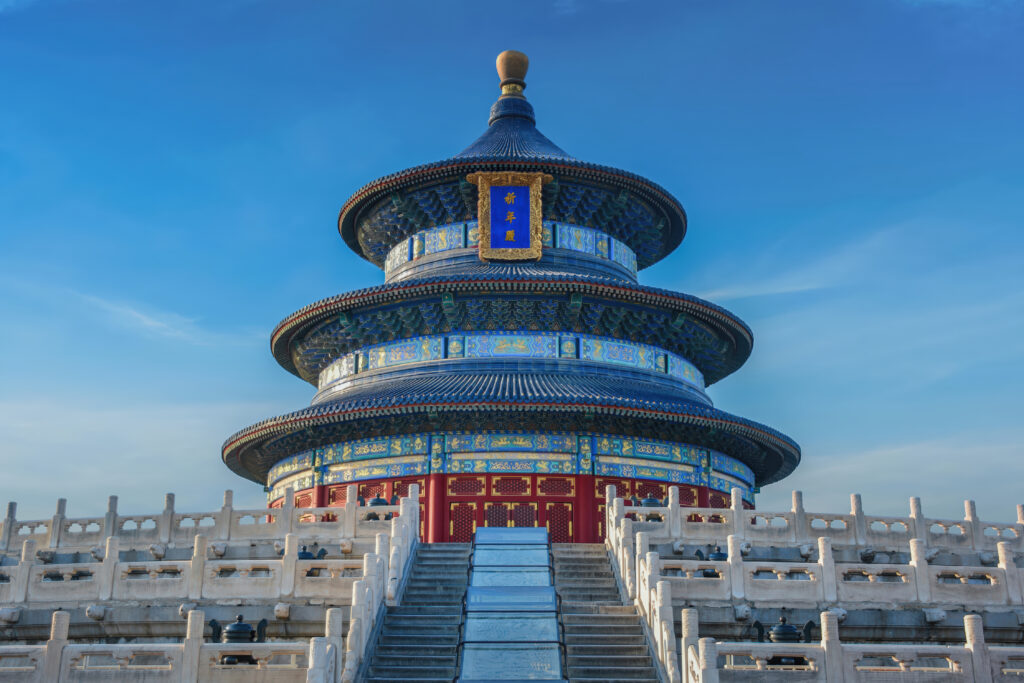
As China’s capital, Beijing perfectly combines splendid millennial imperial heritage with vibrant modern‑city energy. It preserves numerous palaces, temples and gardens from the Ming and Qing dynasties, alongside lively old hutong alleyways full of local daily charm. Travellers can explore world‑class historic sites to understand ancient dynasties, or wander residential lanes for authentic local life. With complete tourist infrastructure, diverse dining and convenient transport, it delivers rewarding experiences for history buffs, family groups and first‑time visitors to China.
Best travel time
April‑May & September‑October. Pleasant spring and autumn weather, avoid extreme summer heat and cold winter.
Top Attractions
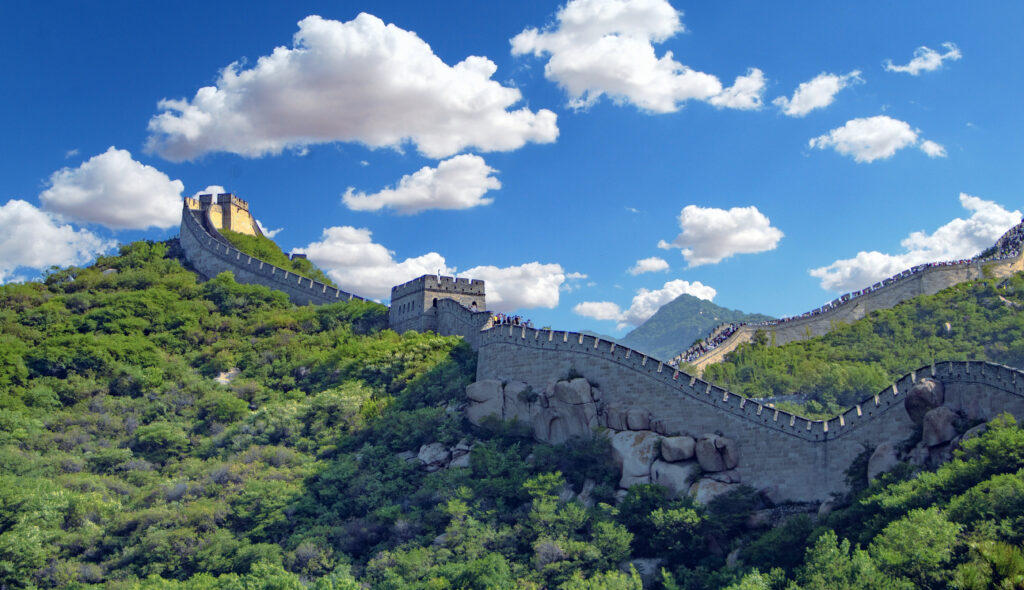
Attractions: The Palace Museum, Mutianyu Great Wall, Temple of Heaven Park, Tiananmen Square, Summer Palace, Shichahai Hutongs
2. Shanghai
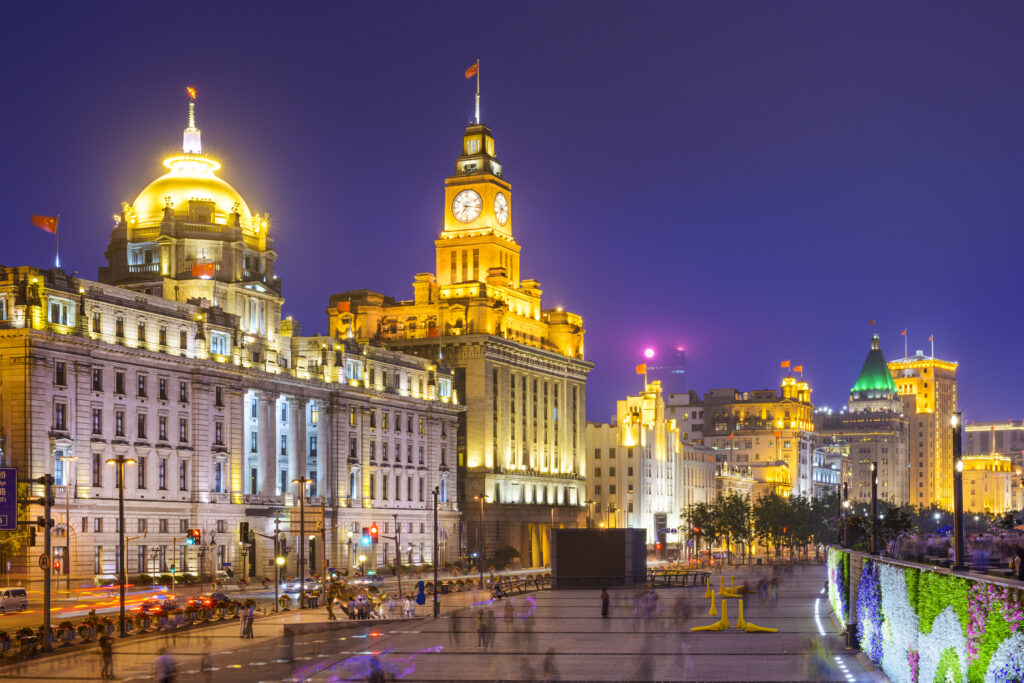
Shanghai is China’s iconic international metropolis that witnessed modern‑era transformations. Dramatic contrasts unfold along Huangpu River: the Bund hosts dozens of well‑preserved historic colonial‑style buildings, while Pudong boasts futuristic skyscrapers. Old quarters retain traditional Jiangnan charm, and modern commercial districts offer global shopping and dining. Blending nostalgic atmosphere with futuristic vibes, it excels for city sightseeing, shopping and short leisure breaks.
Best travel time
April‑May & October‑November. Mild and comfortable temperatures.
Top Attractions
Attractions: The Bund, Yu Garden, Lujiazui, Shanghai Museum, Tianzifang, Nanjing Road Pedestrian Street
Guangdong Province
As the southern gateway of China and the core driving force of the Guangdong-Hong Kong-Macao Greater Bay Area, Guangdong is a premier tourist destination integrating a thousand years of Lingnan culture, dynamic modern science and innovation, and stunning mountain and coastal scenery. It boasts the bustling local charm of Guangzhou, the “millennium commercial capital”, the futuristic vibe of Shenzhen, the “city of technology”, as well as the timeless heritage of overseas Chinese hometowns in eastern Guangdong and the romantic coastal landscapes of western Guangdong.
3.Guangzhou
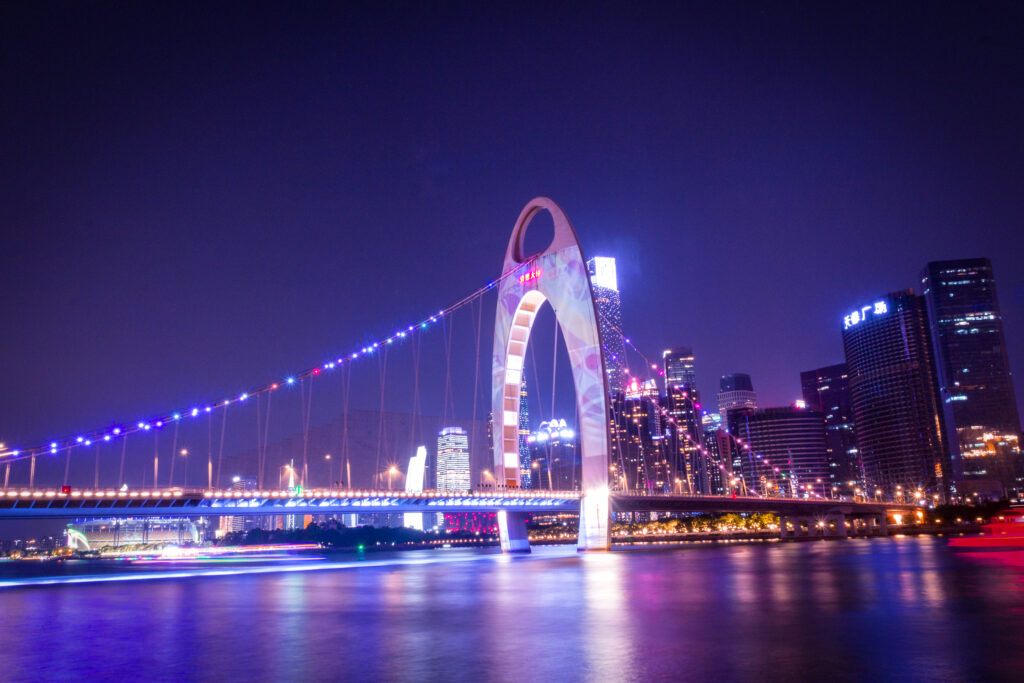
Guangzhou is a thousand‑year‑old trading hub in South China and the heartland of Cantonese culture. As a key port of the ancient Maritime Silk Road, it has long been open to foreign exchanges. Traditional Lingnan arcade streets and ancestral halls showcase local heritage, and world‑famous Cantonese yum‑cha dim‑sum is an unmissable experience. Boasting mild weather and incredible food variety, it is ideal for food lovers and family travellers to savour authentic local folk customs.
Best travel time
October‑April. Escape hot and rainy summer season.
Top Attractions
4. Shenzhen
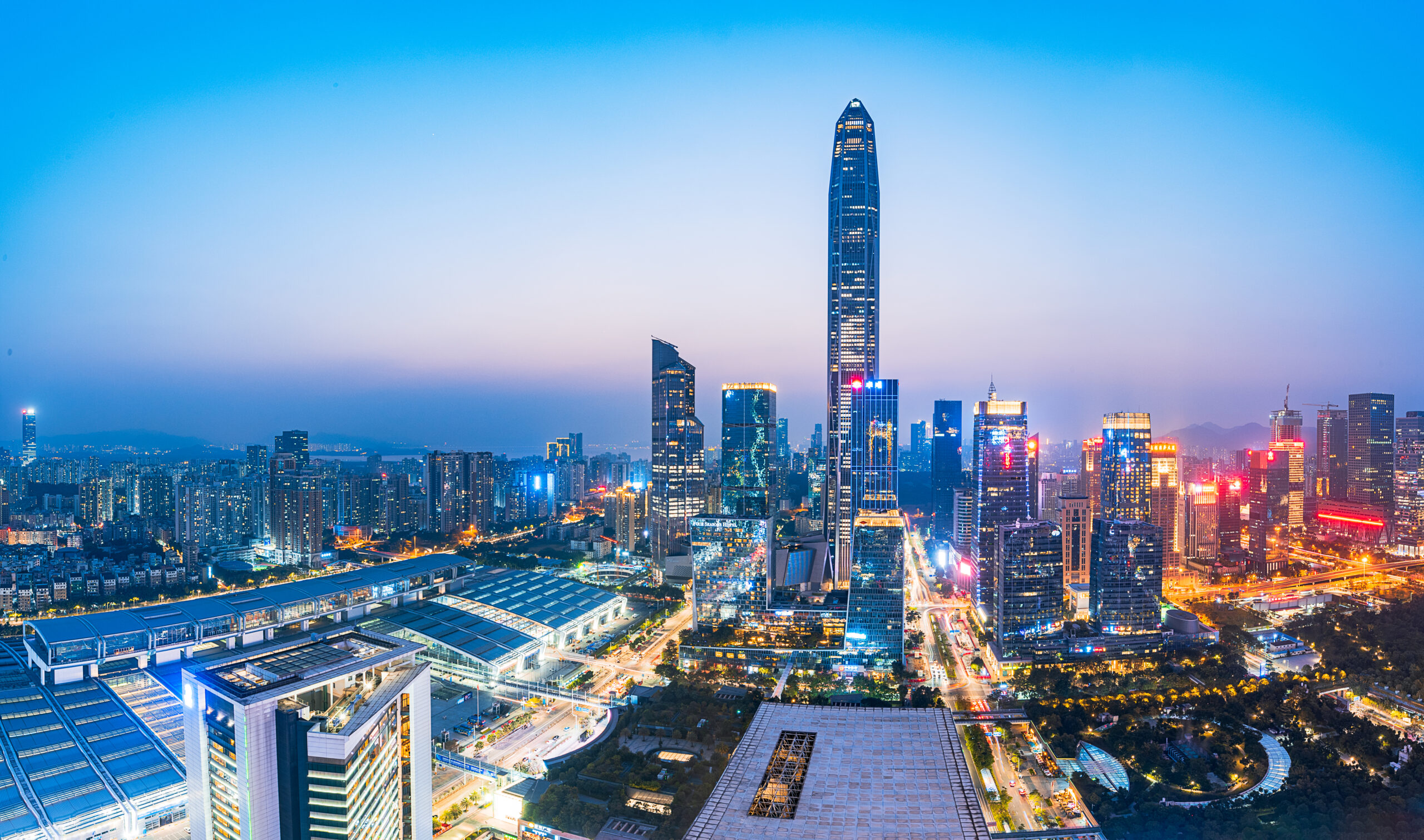
Shenzhen has rapidly transformed from a small coastal fishing village into an innovative international city with a youthful, energetic atmosphere. It features plenty of modern landmarks, large theme parks and scenic coastal parks. Well‑developed public facilities and abundant green spaces make it perfect for theme‑park family fun and seaside relaxation, offering a great window to witness China’s modern urban development.
Best travel time
October‑April. Ideal for coastal sightseeing.
Top Attractions
Attractions: Window of the World, Shenzhen Bay Park, Happy Harbor, Dameisha Beach
5. Xi’an
Xi’an was capital for 13 ancient dynasties and the eastern starting point of the ancient Silk Road, a cradle of Chinese civilisation. Numerous dynasties left extraordinary historical relics here. The world‑renowned Terracotta Army reflects the grandeur of the Qin Empire, and visitors may cycle along the intact Ming‑Dynasty city wall. Rich museum collections and lively local street food culture allow history lovers to fully immerse in Han‑Tang glory and the ancient East‑West cultural exchanges.
Best travel time
April‑May & September‑October. Dry and pleasant climate.
Top Attractions
The Museum of the Terracotta Warriors and Horses of Qin Shi Huang, Xi’an City Wall, Giant Wild Goose Pagoda, Shaanxi History Museum and the Muslim Quarter
Top Attractions
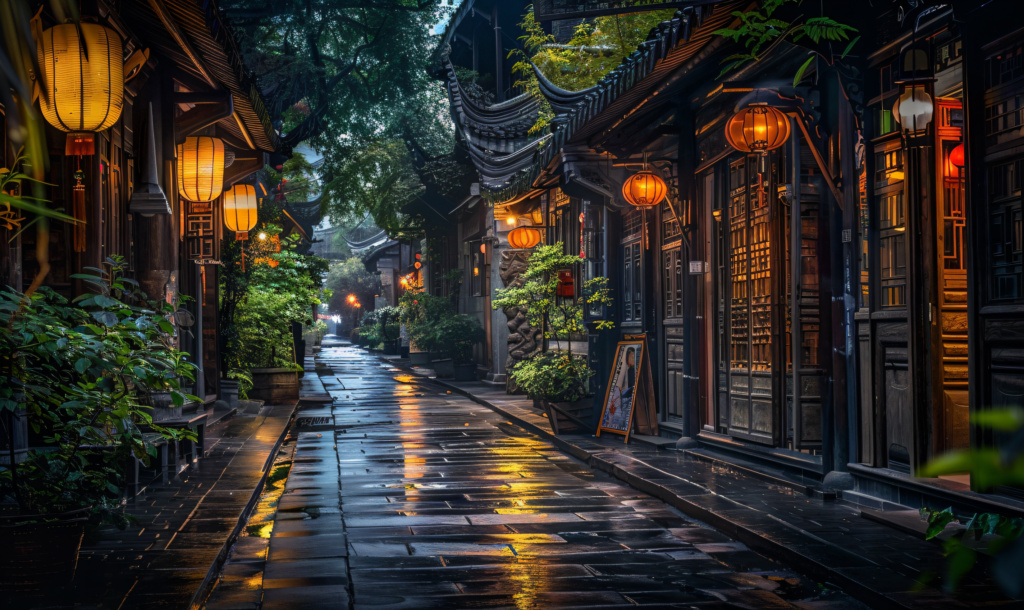
Chengdu Research Base of Giant Panda Breeding, Jinli Ancient Street, Kuanzhai Alleys, People’s Park and Sanxingdui Museum
6. Chengdu
Chengdu, known as “Land of Abundance”, is home to the world’s key giant‑panda conservation base. It enjoys a famously laid‑back lifestyle, with teahouses across the city where locals gather for casual socialising. Spicy‑flavoured Sichuan cuisine is celebrated worldwide, and old neighbourhoods preserve traditional courtyards. Travellers can meet giant pandas up‑close, wander old streets and experience local teahouse culture. Its relaxed vibe makes it excellent for slow‑paced family holidays.
Best travel time
March‑June & September‑November. Hot humid summer and foggy winter to be noted.
7. Chongqing
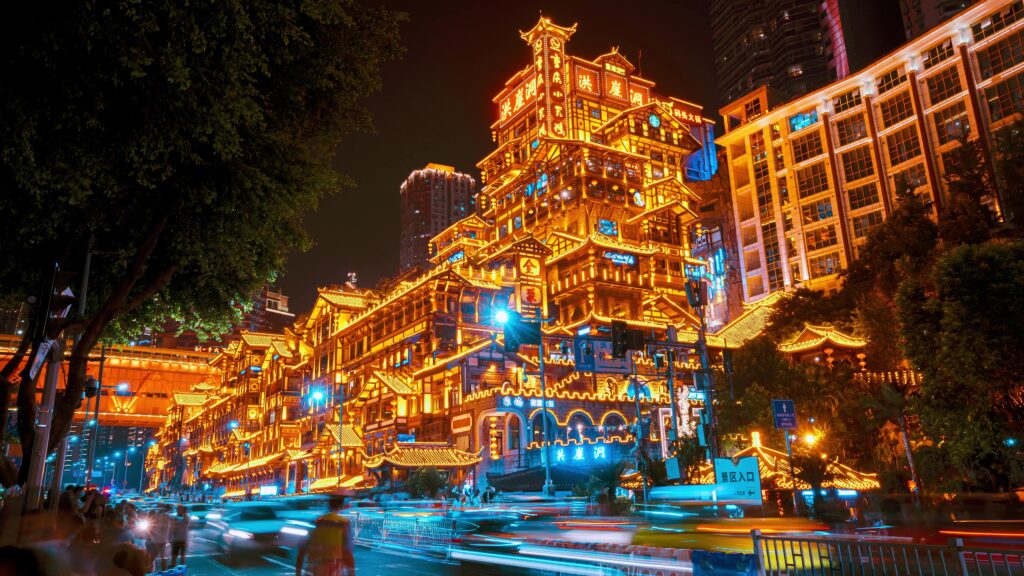
Chongqing is a distinctive mountain‑river city built on steep terrain, where the Yangtze and Jialing Rivers meet to create a dramatic multi‑layered urban landscape. It is famous for bold‑flavoured hot‑pot cuisine, and its spectacular riverside night‑time lights draw countless visitors. Beyond city sights, world‑class karst gorges and mountains lie nearby. It seamlessly blends urban charm with spectacular natural scenery, rewarding both city sightseers and nature‑focused travellers.
Best travel time
March‑May & September‑November. Summer can be very hot and humid.
Top Attractions
Hongyadong, Yangtze River Cableway, Liziba Light Rail, Dazu Rock Carvings and Wulong Karst
8. Wuhan
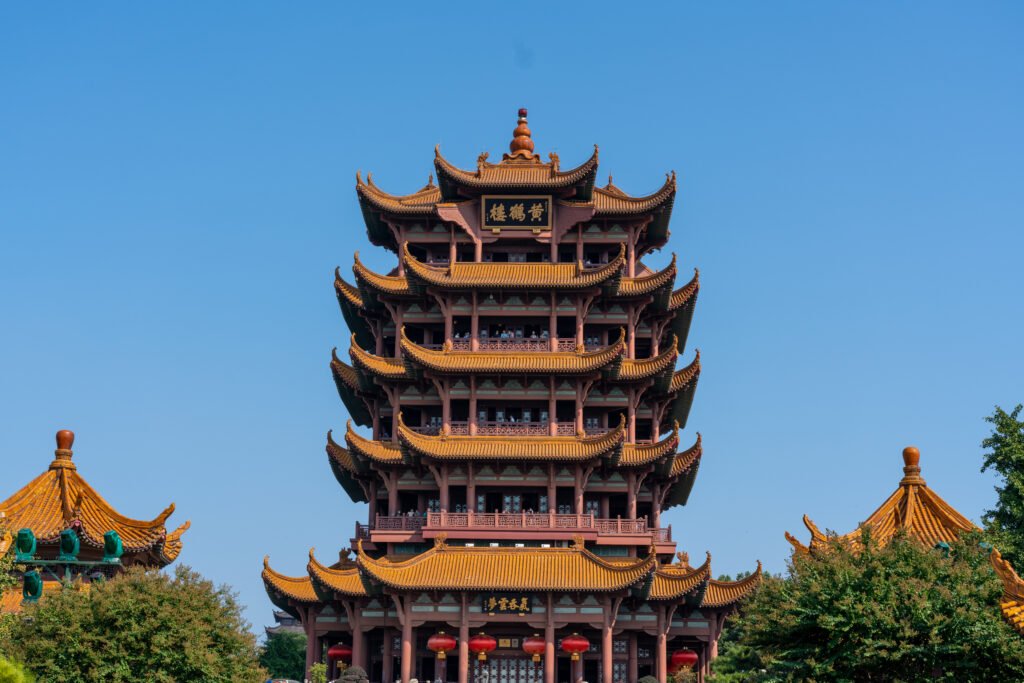
Wuhan sits on the middle reaches of Yangtze River, woven with rivers and lakes, acting as a major transport hub in central China. It carries profound historical heritage, with the legendary Yellow Crane Tower celebrated in ancient poems. In spring, cherry blossoms bloom across the city. Its three‑town layout creates rich urban variety, complemented by abundant local street food. Thanks to well‑developed high‑speed‑rail links, it works well as a transit hub for multi‑city itineraries combining history and city leisure.
Best travel time
March‑April for cherry blossoms, September‑November. Avoid scorching summer.
Top Attractions
Yellow Crane Tower, East Lake Scenic Area, Cherry Blossoms at Wuhan University, Hubu Lane and Hubei Provincial Museum
9. Zhangjiajie
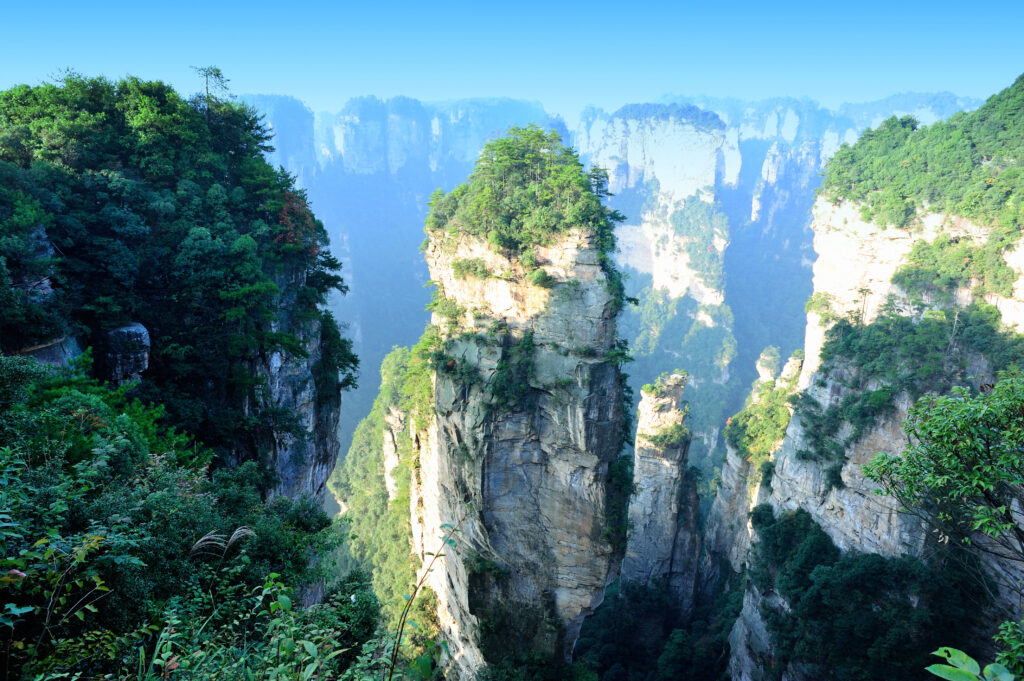
Zhangjiajie features rare quartz‑sandstone pillar‑forest landscape. Thousands of sharp stone peaks rise steeply out of deep valleys, often shrouded in magical mist. Well‑built tourist infrastructure includes cable cars, elevators and glass viewing platforms offering diverse viewpoints. Abundant hiking trails and fresh mountain air make it a top pick for nature lovers and adventure‑minded visitors seeking escape from city life.
Best travel time
April‑June & September‑October. Higher chance of sea‑of‑clouds views after spring rains.
Top Attractions
Zhangjiajie National Forest Park, Tianmen Mountain, Tianzi Mountain and Golden Whip Stream
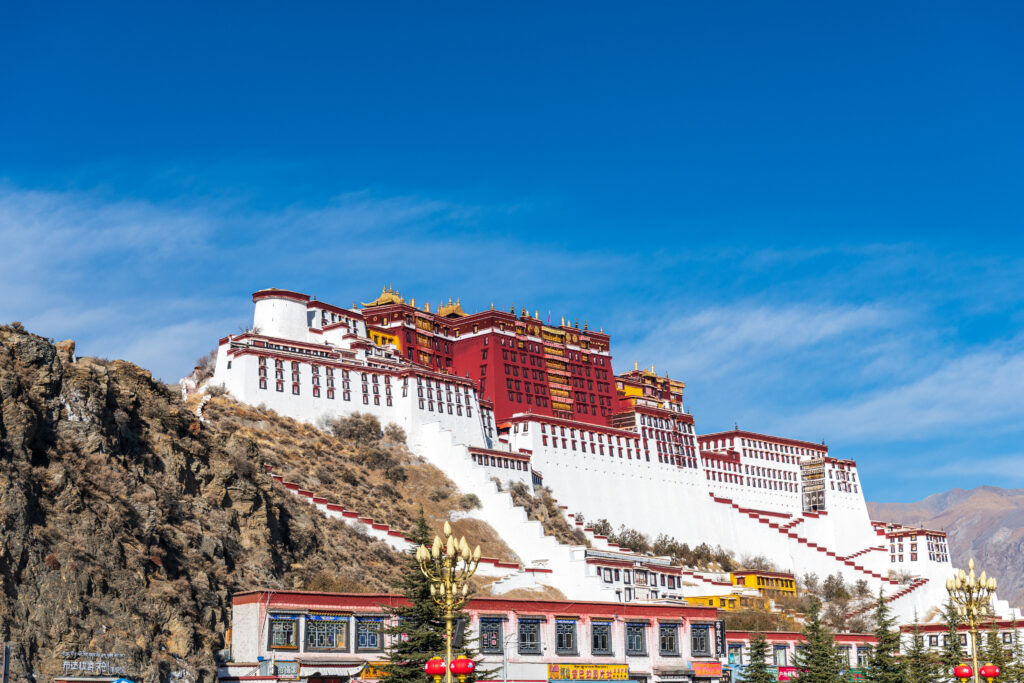
10. Xizang
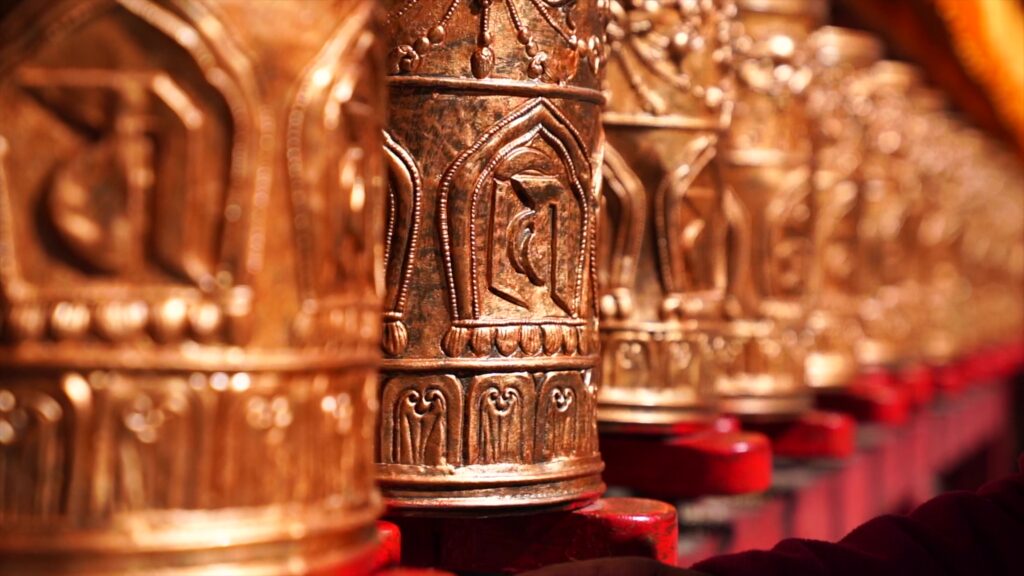
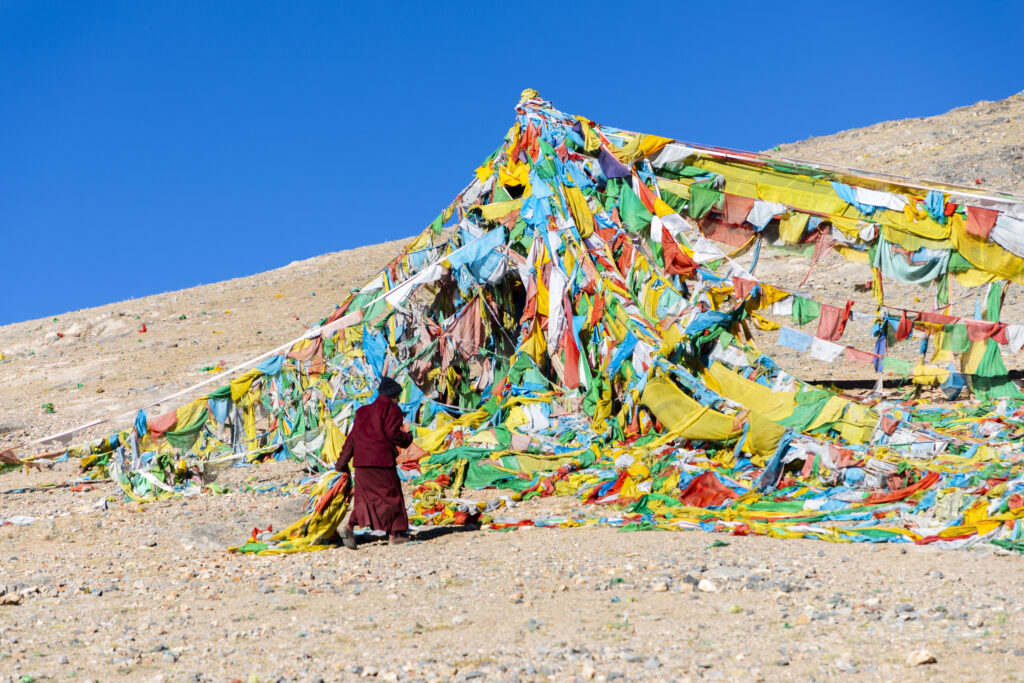
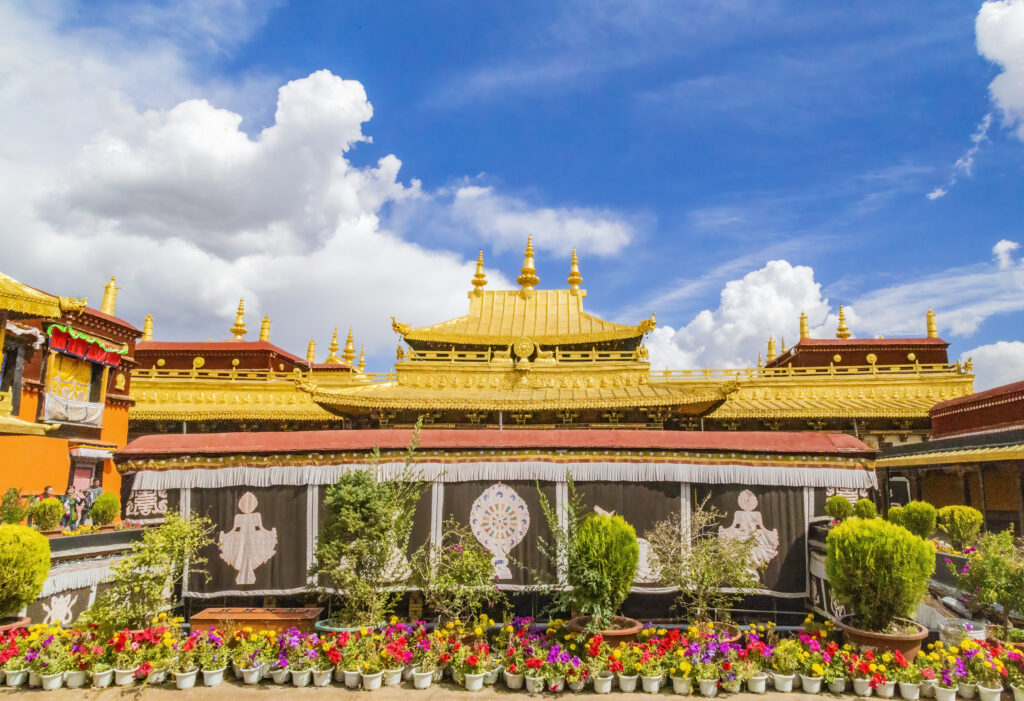
Located on the “Roof of the World”, Xizang sits at high average altitude with breathtaking snow‑plateau scenery. Distinctive Tibetan culture has been passed down for generations. Ancient monasteries flutter with prayer flags, and traditional religious customs are widely visible. Vast alpine lakes, holy snow‑capped mountains and open grasslands form magnificent landscapes. It suits travellers chasing deep cultural immersion and high‑altitude nature. Visitors should learn about plateau conditions and prepare physically before arrival.
Best travel time
May‑October with mild temperatures. Cold winter, some roads may be closed.
Top Attractions
Potala Palace, Jokhang Temple, Namtso, Yamdrok‑tso
11. Yunnan Province
Yunnan lies in southwest China and hosts more than twenty indigenous ethnic groups. Its wide geographic range creates extraordinarily diverse landscapes: towering snow‑capped mountains, crystal‑clear alpine lakes, ancient towns and layered mountain terraces. Most areas enjoy mild spring‑like weather year‑round. Travellers can relax in old towns, dive into multi‑ethnic village culture or take mountain hikes. It fits family holidays, backpacking and in‑depth cultural exploration alike.
Best travel time
March‑May & September‑November. Avoid rainy season June‑August.
Top Attractions
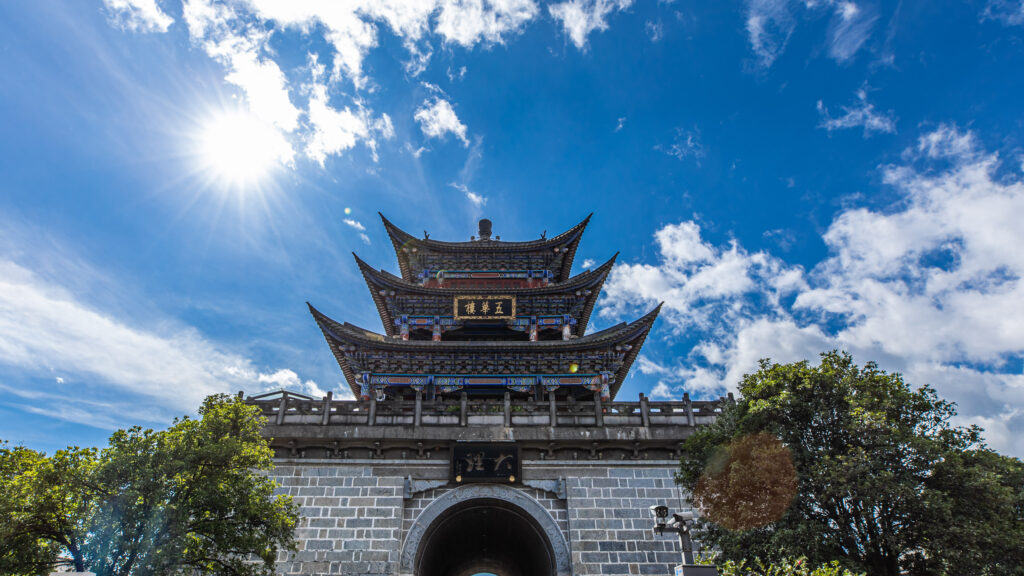
Dali Ancient City, Erhai Lake, Old Town of Lijiang, Jade Dragon Snow Mountain and Tiger‑Leaping Gorge
12. Suzhou
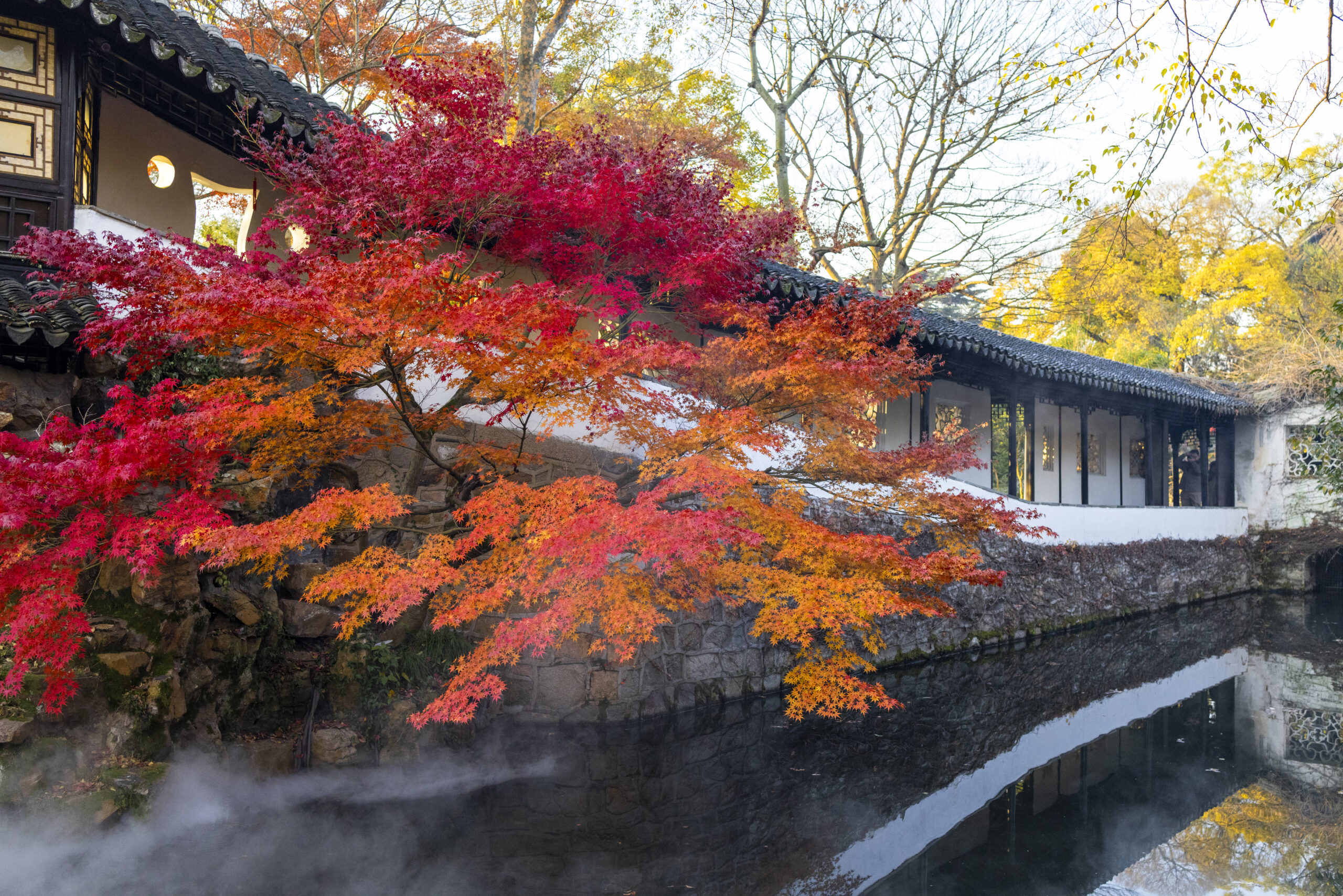
Suzhou is the symbol of Jiangnan water‑town culture, world‑famous for its elegant classical gardens, several of which are UNESCO World Heritage Sites. Criss‑crossing waterways, stone bridges and well‑preserved old quarters with white‑walled black‑tiled buildings define its look. It is also a historic birthplace of Chinese silk, with weaving techniques passed down for centuries. The city has a gentle pace, ideal for slow garden visits and old‑town strolling for visitors who appreciate traditional oriental aesthetics.
Best travel time
March‑May & September‑November. Beautiful spring and autumn scenery.
Top Attractions
Humble Administrator’s Garden, Lion Grove Garden, Pingjiang Road Historic District and Shantang Street
13. Hangzhou
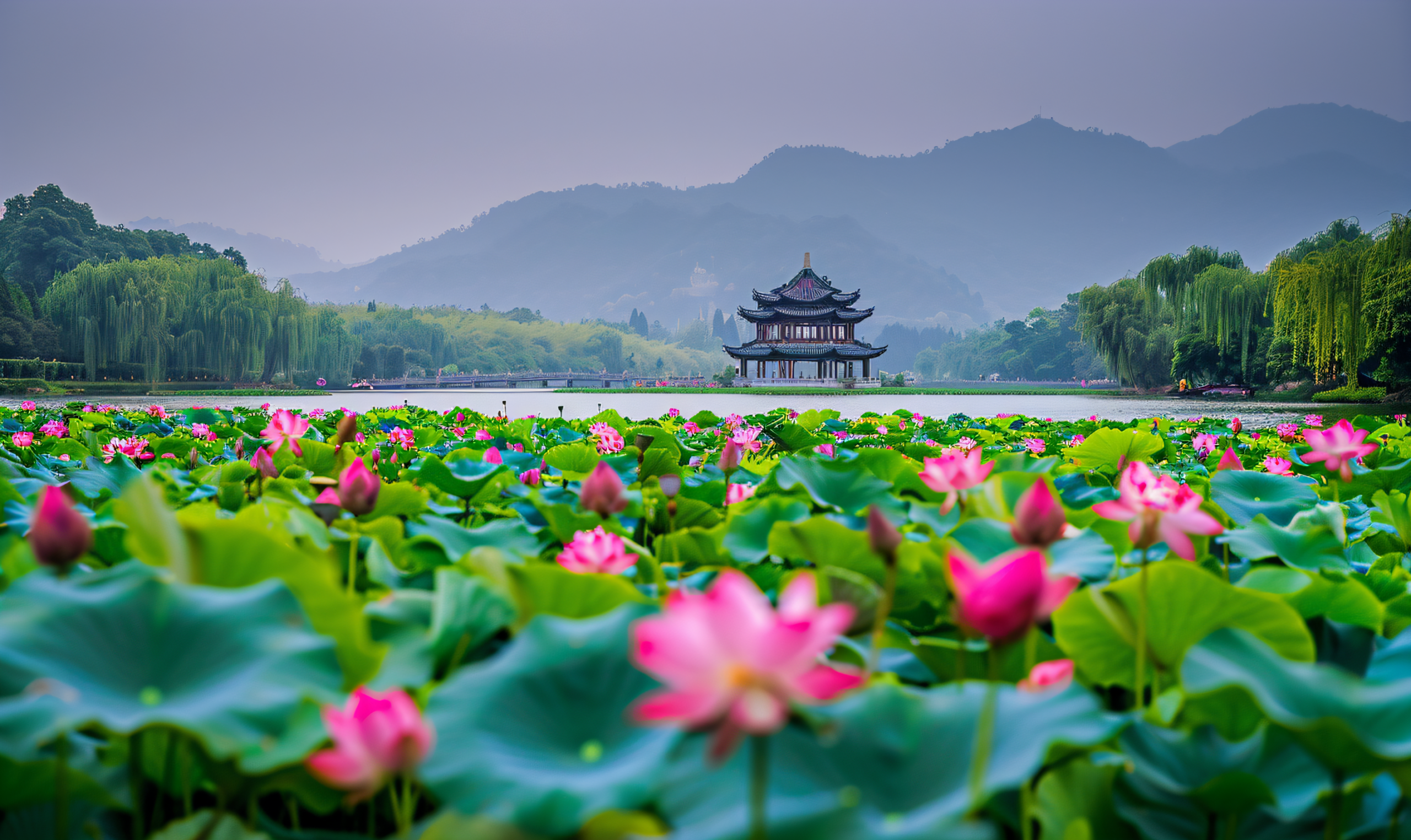
Hangzhou has long‑held the reputation of “Paradise on Earth”. West Lake forms its soul, with gentle interwoven lake‑and‑mountain scenery celebrated in countless ancient poems. Surrounding rolling hills are covered by famous Longjing tea plantations dotted with old villages. Beyond lake sightseeing, visitors can experience tea‑picking and tasting to enjoy laid‑back Jiangnan lifestyle. Its soft atmosphere suits casual city tours and short relaxing getaways.
Best travel time
March‑May & September‑November. Blossoms in spring, sweet osmanthus in autumn.
Top Attractions
West Lake, Lingyin Temple, Longjing Tea Plantation and Songcheng
14. Xinjiang
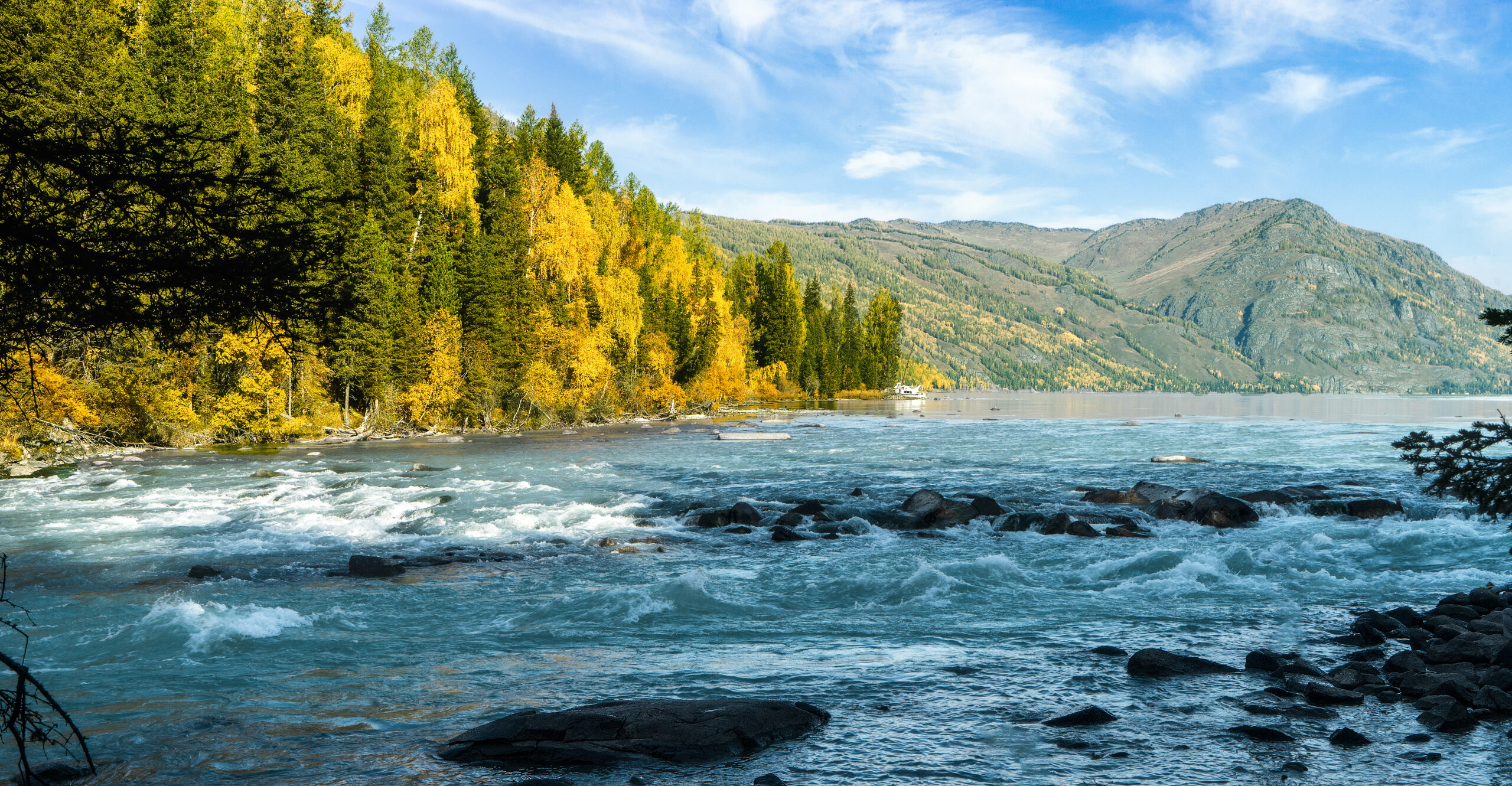
Xinjiang in northwest China is an extremely vast region, serving as a core hub of the ancient Silk Road. It presents dramatic landscape contrasts: vast deserts, wide grasslands, deep canyons, crystal‑clear alpine lakes and permanent snow‑capped peaks coexist here. Multiple ethnic groups maintain vibrant folk traditions, with distinctive local food, handicrafts and folk dances full of exotic charm. Distances between sites are long, making it best suited for long‑duration in‑depth tours to experience grand western landscapes and diverse ethnic cultures.
Best travel time
June‑October. Prime viewing season for grasslands and alpine lakes.
Top Attractions
Kanas, Sayram Lake, Nalati Grassland and Turpan
15. Inner Mongolia
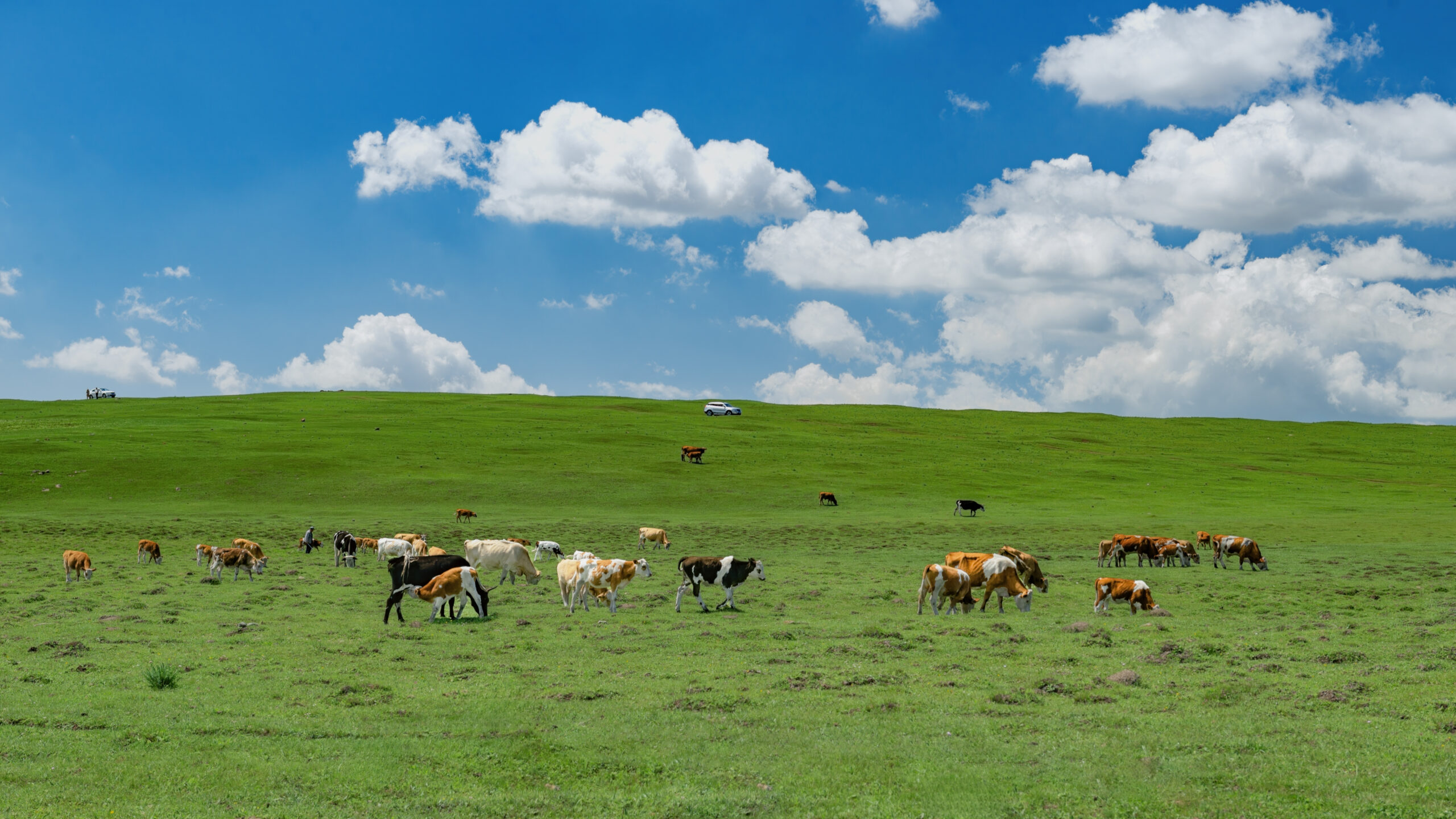
Inner Mongolia in northern China is famous for endless vast grasslands. Alongside steppes lie grand deserts and dense ancient forests. Local nomadic communities keep traditional customs alive. Travellers may stay in yurts, ride horses, watch folk performances and taste signature meat dishes. Summer is the prime travel season, when green grass stretches to the horizon for visitors to enjoy open northern scenery and nomadic culture.
Best travel time
June‑August for green steppes; September for forest autumn colours.
Top Attractions
Hulunbuir Grassland, Xilingol Grassland and Whistling Dune Bay
16. Guizhou Province
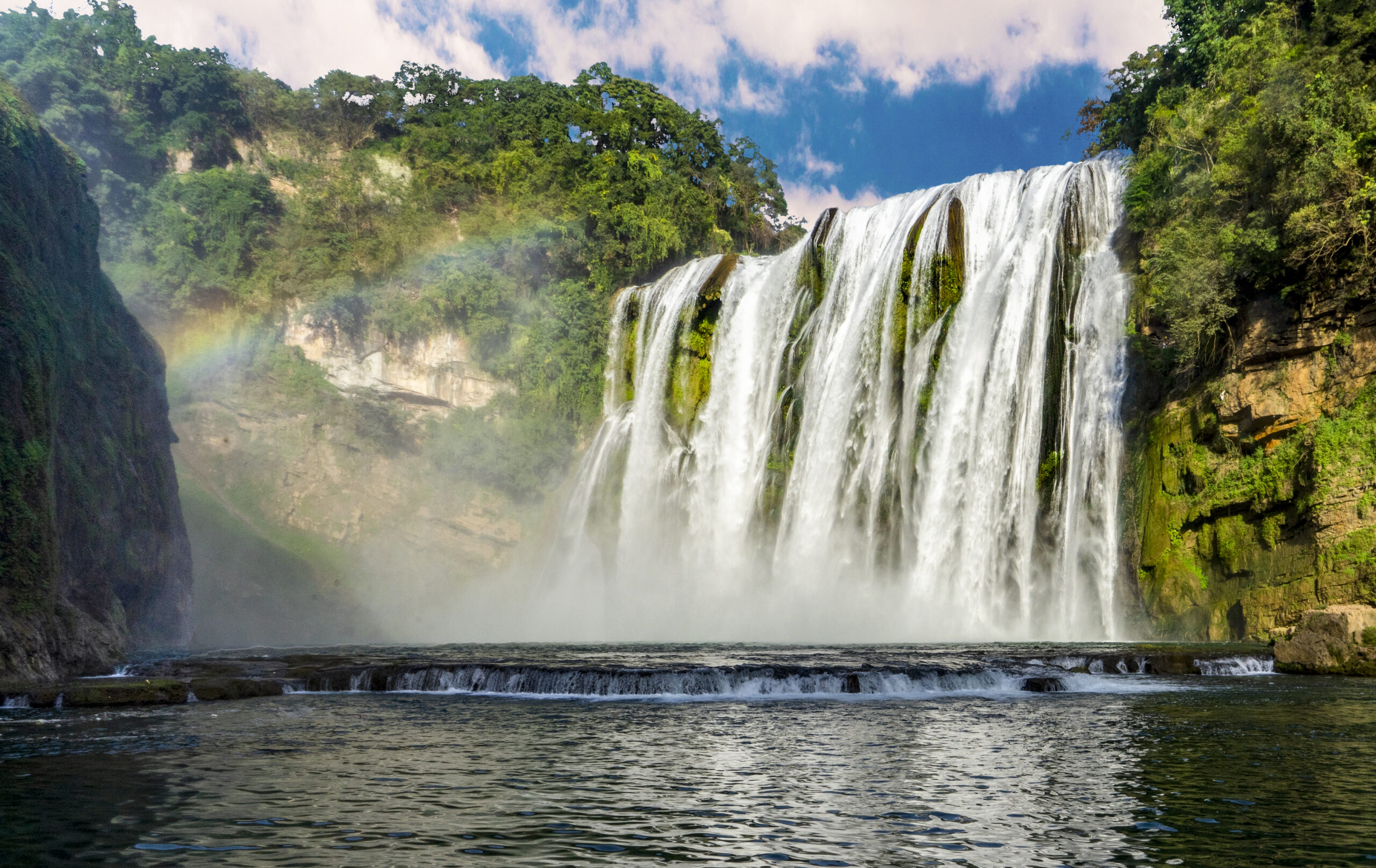
Guizhou is a mountain‑locked highland province in southwest China covered with karst landforms. It is home to more than ten indigenous ethnic groups with large ethnic‑minority populations. Communities here well‑preserve ancient villages, colourful traditional costumes, age‑old festivals, folk dances and handicraft skills. Travellers can visit authentic villages and observe genuine local daily life to experience vivid ethnic folk culture. Its natural scenery is equally impressive: mighty waterfalls, karst peaks, gorges and layered mountain terraces scatter across mountains. Local food features distinctive sour‑spicy flavours. It is highly recommended for foreign visitors seeking less‑commercialised, authentic combined cultural‑and‑nature experiences.
Best travel time
April‑May & September‑October. Cool in summer yet with frequent rainfall.
Top Attractions
Huangguoshu Waterfall, Xijiang Qianhu Miao Village and Fanjing Mountain